Press Brake Protective Film for Cost-Effective Scratch-Free Bending
June 6, 2024
A Cost-Effective Solution for Scratch-Free Sheet Metal Bending
Scratches and tooling marks are common problems when bending stainless steel, aluminum and other appearance-sensitive sheet metal.
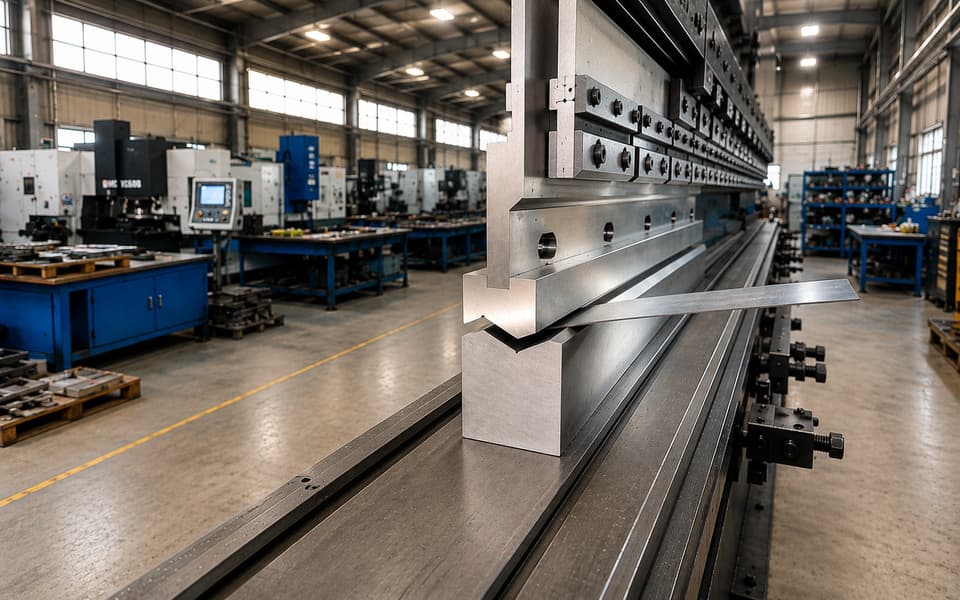
During conventional press brake bending, the sheet moves across the shoulders of the lower die under high pressure. This contact can leave visible scratches or bending marks on the outer surface of the finished part.
The press brake protective film shown in this video provides a simple and economical solution.
How Does Press Brake Protective Film Work?
The protective film is placed between the sheet metal and the lower die before bending.
During the bending process, the film acts as a protective barrier between the workpiece and the tooling. It helps reduce direct metal-to-metal contact and protects the outer surface of the sheet where scratching and die marks commonly occur.
No special lower die is required, making the film easy to use with many conventional press brake tooling setups.
Cut to the Required Working Length
Another advantage is flexibility.
The protective film can be cut according to the length of the workpiece or bending area. This allows manufacturers to prepare an appropriate film length for different parts without changing the basic press brake tooling configuration.
For workshops producing different sheet metal components, this provides a convenient way to add surface protection only where it is required.
An Economical Alternative for Mark-Free Bending
There are several ways to reduce bending marks, including Rolla-V tooling, roller-assisted dies and other specialized mark-free bending solutions.
Protective film offers a different approach. Instead of replacing the lower die with a specialized tooling system, it adds a consumable protective layer between the workpiece and the existing die.
This makes it particularly attractive when the goal is to achieve a cleaner bending surface while keeping the initial investment low.
The Trade-Off: Protective Film Is a Consumable
Protective film is economical, but it is not a permanent tooling solution.
Repeated bending gradually wears the film, especially at the high-pressure contact areas around the die shoulders. Once the film becomes worn or damaged, it should be repositioned or replaced to maintain effective surface protection.
For frequent, high-volume production, a longer-life solution such as Rolla-V tooling may be more suitable. For flexible production, smaller batches or applications where initial tooling cost is important, protective film can provide an excellent balance between surface protection, flexibility and cost.
WYS Machinery supplies press brake tooling and accessories for different sheet metal bending requirements, from economical protective solutions to specialized tooling for demanding mark-free bending applications.